

Explore a carefully curated collection of diabetic-friendly Indian curry recipes that don’t compromise on authentic flavor. Rajput Indian Cuisine shares expert techniques for creating low-glycemic, blood sugar-conscious curries using fresh ingredients, smart spice combinations, and traditional cooking methods. Discover how to enjoy the rich tastes of Indian cuisine across Suffolk, Norfolk, and Chesapeake while maintaining healthy glucose levels and nutritional balance. Living with diabetes doesn’t require abandoning the rich, complex flavors of Indian cuisine. In fact, many traditional Indian curry recipes naturally align with diabetic dietary requirements when prepared thoughtfully. Understanding which ingredients, spices, and cooking methods support blood sugar management allows you to enjoy authentic flavors while maintaining health. Understanding Diabetes and Indian Cuisine Diabetic-friendly cooking focuses on controlling carbohydrate intake, choosing low-glycemic ingredients, and incorporating foods that help regulate blood sugar. Traditional Indian cooking offers significant advantages—the extensive use of spices, vegetables, and lean proteins creates naturally balanced meals when prepared correctly. Key principles for diabetic Indian cooking: • Emphasize non-starchy vegetables • Choose lean protein sources • Control portion sizes of rice and bread • Utilize beneficial spices with anti-inflammatory properties • Minimize added sugars and refined carbohydrates • Incorporate healthy fats in moderation Beneficial Spices for Blood Sugar Management Indian cuisine’s signature spice blends offer more than flavor—many possess properties that support blood sugar control. These diabetes-friendly spices have been studied for their potential metabolic benefits. Turmeric contains curcumin, which research suggests may improve insulin sensitivity. Cinnamon has shown promise in helping regulate glucose metabolism. Fenugreek seeds contain soluble fiber that may slow carbohydrate absorption. Cumin and coriander support digestion while adding depth to curry bases. Low-Glycemic Vegetable Curry Recipes Vegetable curries form the foundation of diabetic-friendly Indian meals. These recipes maximize nutrition while minimizing glycemic impact. Palak Paneer (Spinach and Cottage Cheese Curry) This classic low-carb Indian dish combines nutrient-dense spinach with protein-rich paneer. Spinach provides fiber, vitamins, and minerals with minimal carbohydrate content. Using fresh spinach rather than cream-heavy preparations keeps the dish light while maintaining authentic flavor. Preparation highlights: • Fresh spinach purée as the base • Minimal oil usage • Paneer provides sustained protein • Aromatic spices without added sugar Cauliflower and Green Bean Curry Cauliflower serves as an excellent low-glycemic vegetable with a satisfying texture. Combined with green beans, this curry delivers fiber and nutrients while keeping carbohydrate counts manageable. Baingan Bharta (Roasted Eggplant Curry) Smoky roasted eggplant creates a rich, satisfying curry without heavy cream or excessive oil. This diabetic curry recipe showcases how traditional cooking methods produce deep flavors naturally. Protein-Rich Curry Options Lean protein curries help stabilize blood sugar by slowing digestion and providing sustained energy without glucose spikes. Chicken Curry with Tomato Base A tomato-based chicken curry avoids cream while delivering authentic flavor. Skinless chicken breast provides lean protein, while tomatoes contribute lycopene and vitamin C. The key lies in building flavor through spice layering rather than fat content. Essential components: • Skinless chicken breast or thigh • Fresh tomato purée • Ginger-garlic paste • Whole spices (cardamom, cloves, cinnamon) • Fresh cilantro garnish Fish Curry (Coastal Style) Fish offers omega-3 fatty acids alongside high-quality protein. A coconut-based fish curry using measured coconut milk portions provides healthy fats while maintaining portion control. Choose firm white fish or salmon for optimal nutritional benefits. Chickpea Curry (Chana Masala) While chickpeas contain carbohydrates, their high fiber and protein content creates a favorable glycemic response. A properly portioned chickpea curry delivers plant-based protein, iron, and sustained energy. The fiber content helps moderate blood sugar impact. Smart Ingredient Substitutions Creating healthy Indian curries often requires thoughtful substitutions that preserve flavor while improving nutritional profiles. Instead of heavy cream: Use Greek yogurt, cashew cream, or measured coconut milk Instead of white rice: Choose cauliflower rice, quinoa, or brown rice in controlled portions Instead of potatoes: Substitute turnips, radishes, or additional cauliflower Instead of sugar: Use minimal amounts of natural sweeteners or rely on caramelized onions Instead of excessive oil: Use cooking spray or measured ghee for authentic flavor Cooking Techniques That Support Health Traditional Indian cooking methods naturally support diabetic dietary needs when applied correctly. Dry roasting spices intensifies flavors without added fats. Pressure cooking preserves nutrients while reducing cooking time. Grilling or tandoor-style cooking for proteins minimizes oil usage. Slow simmering develops complex flavors without cream or excessive fat. Portion Control and Meal Balance Even diabetic-friendly recipes require appropriate portioning. A balanced Indian meal includes: • 1 cup of curry (vegetable or protein-based) • ½ cup of controlled carbohydrate (brown rice or small whole wheat roti) • Side of cucumber raita or salad • Plenty of water or unsweetened beverages Practical Tips for Restaurant Dining When enjoying Indian cuisine at restaurants like Rajput Indian Cuisine, making informed choices supports blood sugar management: • Request preparation without added sugar • Choose tandoori or grilled proteins • Select tomato-based curries over cream-based • Ask for extra vegetables • Control bread and rice portions • Enjoy dal (lentil) dishes for fiber and protein The Science Behind Curry Spices Research continues exploring how traditional Indian spices may benefit metabolic health. Turmeric’s anti-inflammatory properties, cinnamon’s potential insulin-sensitizing effects, and fenugreek’s fiber content all contribute to why properly prepared Indian curries can fit within diabetic meal plans. Building Your Diabetic-Friendly Curry Repertoire Mastering blood sugar-friendly Indian cooking requires understanding ingredient impacts, practicing portion awareness, and embracing the natural benefits of traditional spices and cooking methods. The vibrant flavors that define authentic Indian cuisine remain fully accessible through smart preparation choices. Savor Authentic Flavors While Prioritizing Your Health The intersection of diabetic-conscious eating and authentic Indian cuisine offers more possibilities than restrictions. By focusing on vegetable-forward curries, lean proteins, beneficial spices, and traditional cooking techniques, you can enjoy the rich culinary heritage of India while supporting your health goals. These recipes prove that managing diabetes and savoring exceptional flavor aren’t mutually exclusive—they’re perfectly compatible when approached with knowledge and intention.

Master Restaurant-Style Biryani: Expert Tips from Indian Cuisine Specialists
Discover the closely guarded secrets behind restaurant-quality biryani that make every bite unforgettable. Learn professional techniques for layering, spice blending, and rice preparation that transform ordinary biryani into an extraordinary culinary experience. Rajput Indian Cuisine shares expert insights on achieving authentic flavors, perfect texture, and aromatic richness that define true Indian biryani craftsmanship across Suffolk, Norfolk, and Chesapeake. Biryani stands as one of India’s most celebrated dishes, yet achieving that perfect restaurant-quality biryani at home often feels impossible. The difference between ordinary biryani and the extraordinary version served at authentic Indian restaurants lies in understanding specific techniques, ingredient selection, and time-honored cooking methods. The Foundation: Selecting Premium Ingredients The journey to exceptional biryani begins with ingredient quality. Basmati rice forms the foundation—specifically aged basmati that’s at least one year old. This aging process reduces moisture content, allowing grains to elongate beautifully without breaking during cooking. Key ingredients that matter: • Long-grain aged basmati rice (preferably 1-2 years aged) • Fresh, high-quality meat or vegetables • Whole spices rather than pre-ground alternatives • Full-fat yogurt for marination • Premium saffron threads • Fresh herbs (mint and cilantro) The Secret of Proper Marination Professional chefs understand that marination isn’t just about flavor—it’s about transforming protein texture. The ideal marination combines yogurt, ginger-garlic paste, and whole spices, requiring minimum 2-4 hours for chicken and 4-6 hours for lamb or goat. The yogurt’s lactic acid tenderizes meat while creating a flavor base that penetrates deeply. Adding fried onions (birista) to the marinade introduces caramelized sweetness that balances the spice profile perfectly. Mastering the Spice Blend (Biryani Masala) Restaurant-style biryani relies on freshly ground biryani masala rather than store-bought alternatives. The essential whole spices include: • Bay leaves • Green and black cardamom • Cinnamon sticks • Cloves • Star anise • Mace and nutmeg • Black peppercorns Toasting these spices lightly before grinding releases essential oils, creating depth and complexity impossible to achieve with pre-ground powders. The Art of Rice Preparation Perfectly cooked basmati rice should be 70% done before layering—this crucial detail prevents mushy biryani. Professional kitchens add whole spices, salt, and a few drops of lemon juice to the boiling water, which seasons the rice internally and maintains brilliant white color. Critical rice cooking steps: • Rinse rice thoroughly until water runs clear • Soak for 30 minutes minimum • Use 1:1.5 rice-to-water ratio • Cook until rice is just tender with a slight bite • Drain immediately to stop cooking Layering: The Architectural Technique Dum biryani achieves its signature flavor through proper layering (tahiri). This technique creates steam pockets that distribute flavors uniformly while keeping rice grains separate. The professional layering sequence: The Dum Cooking Method Dum cooking—the slow-cooking technique that defines authentic biryani—requires patience. This method traps steam inside, cooking ingredients in their own moisture and creating that distinctive aromatic biryani experience. Professional restaurants use heavy-bottomed vessels that distribute heat evenly. The initial 5-7 minutes on high heat generates steam, followed by 25-30 minutes on the lowest possible heat. Some chefs place the pot on a tawa (griddle) to prevent bottom burning. The Saffron Secret Real saffron makes an unmistakable difference. Steep saffron threads in warm milk for 15-20 minutes, then drizzle over rice layers. This creates those beautiful golden streaks while infusing subtle floral notes throughout the dish. Temperature Control and Timing Professional biryani masters understand that temperature control separates good biryani from exceptional. The cooking vessel should never be opened during the dum process—breaking the seal releases precious steam and disrupts the cooking environment. Why Restaurant Biryani Tastes Different Beyond technique, restaurants achieve consistency through precise measurements, controlled environments, and experience. The traditional biryani served at established Indian restaurants reflects generations of refinement, where each element—from spice ratios to cooking times—has been perfected through countless iterations. Bringing Restaurant Excellence Home Understanding these professional techniques empowers home cooks to elevate their biryani significantly. While achieving absolute restaurant perfection requires practice, applying these principles—quality ingredients, proper marination, careful layering, and patient dum cooking—transforms results dramatically. The difference between acceptable and exceptional authentic biryani lies in respecting each step, understanding why techniques matter, and refusing to rush the process. True biryani mastery comes from honoring tradition while maintaining precision in execution. Your Journey to Biryani Perfection Starts Here Whether you’re attempting your first biryani or refining your technique, these restaurant-quality secrets provide the foundation for success. The aromatic layers, tender meat, and perfectly separated rice grains that define exceptional biryani are within reach when you understand and apply professional methods. Start with quality ingredients, respect the process, and let patience guide your cooking—the results will speak for themselves.
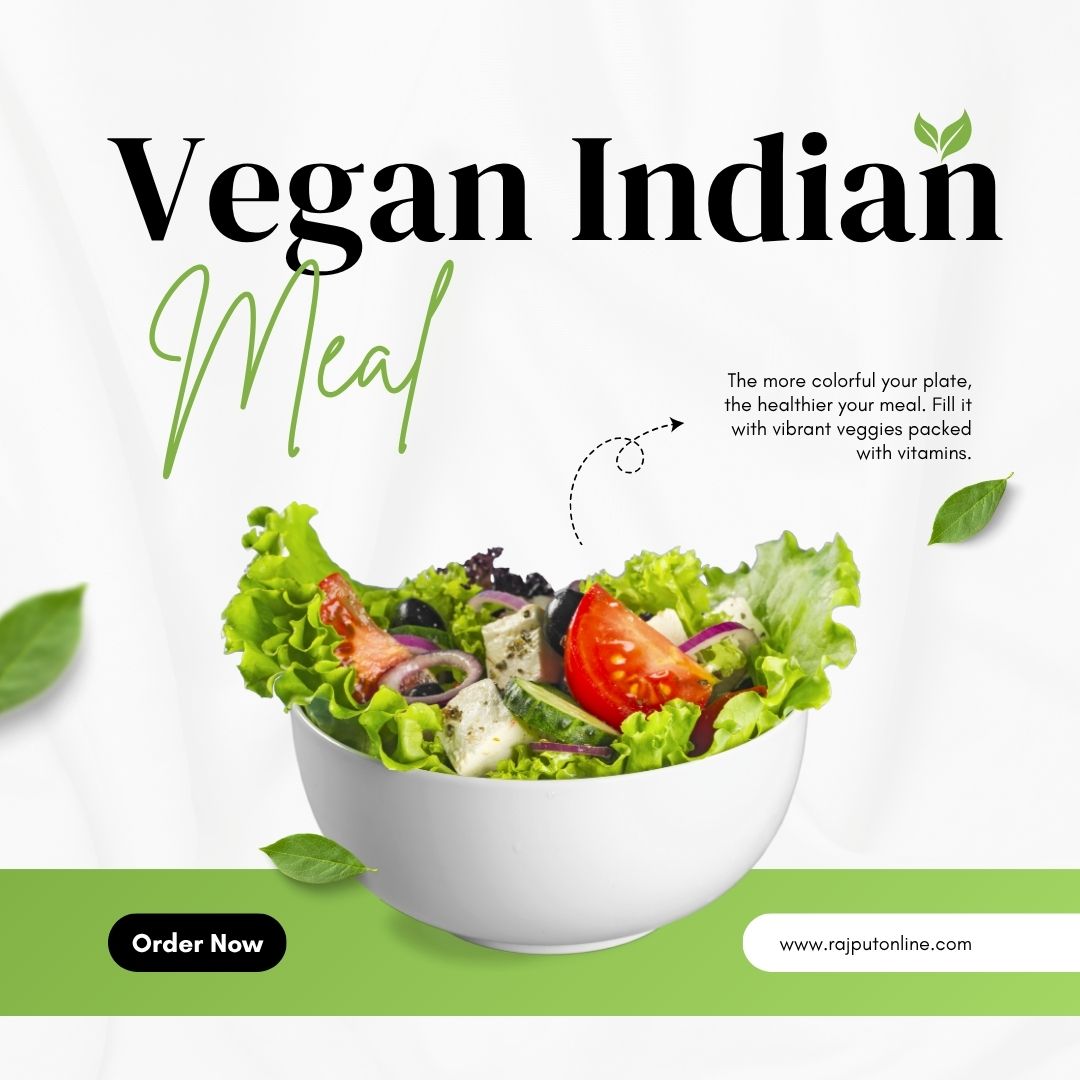
Easy Vegan Indian Meal Prep – 5 Authentic Recipes to Simplify Your Week
Discover vegan Indian meal prep recipes that bring authentic flavors to your busy week. From dal tadka to chana masala, these plant-based dishes combine fresh ingredients and traditional spices for nutritious, make-ahead meals. Rajput Indian Cuisine shares time-saving techniques to enjoy restaurant-quality vegan Indian food at home throughout Suffolk, Norfolk, and Chesapeake, VA. Why Vegan Indian Cuisine is Perfect for Meal Prep Indian cuisine naturally embraces plant-based cooking, making it ideal for vegan meal prep. Traditional recipes rely on legumes, vegetables, and aromatic spices that develop deeper flavors over time. When you prepare vegan Indian dishes in advance, the spices meld together, creating even more satisfying meals throughout the week. Meal prepping saves time, reduces stress, and ensures you maintain healthy eating habits during hectic schedules. Indian recipes are particularly suited for this approach because many dishes taste better the next day, and they freeze exceptionally well. Essential Ingredients for Your Vegan Indian Meal Prep Before starting your meal prep journey, stock your pantry with these staples: • Legumes: Red lentils (masoor dal), chickpeas (chana), black lentils (urad dal) • Spices: Turmeric, cumin, coriander, garam masala, mustard seeds • Aromatics: Ginger, garlic, green chilies, curry leaves • Vegetables: Cauliflower, spinach, potatoes, tomatoes, bell peppers • Grains: Basmati rice, whole wheat flour for rotis These ingredients form the foundation of authentic Indian vegan cooking and provide complete nutrition with plant-based proteins, fiber, and essential nutrients. Five Make-Ahead Vegan Indian Recipes 1. Dal Tadka (Tempered Lentils) Dal tadka is a protein-rich staple that stores beautifully for up to five days. Cook red or yellow lentils with turmeric, then prepare a tadka (tempering) with cumin seeds, garlic, and dried red chilies. This vegan protein meal pairs perfectly with rice or roti and reheats without losing texture. 2. Chana Masala (Spiced Chickpeas) This popular chickpea curry improves with time as chickpeas absorb the tomato-based gravy. Sauté onions, ginger, and garlic, add tomatoes and spices like coriander and cumin, then simmer with cooked chickpeas. Chana masala provides excellent protein and fiber for sustained energy. 3. Aloo Gobi (Potato and Cauliflower) A dry curry that travels well in lunch containers, aloo gobi combines potatoes and cauliflower with turmeric, cumin, and garam masala. This dish maintains its texture throughout the week and offers comfort food satisfaction without excess oil. 4. Palak (Spinach Curry) Blanched spinach blended with ginger, garlic, and green chilies creates a nutrient-dense base. Add tofu cubes or chickpeas for protein. This healthy Indian dish freezes exceptionally well and provides iron, vitamins, and antioxidants. 5. Vegetable Biryani Layer partially cooked basmati rice with spiced mixed vegetables, then steam until fluffy. Vegetable biryani is a complete meal that stores well and can be portioned into individual containers. The aromatic spices and saffron make each serving feel special. Meal Prep Strategy for Maximum Efficiency Sunday preparation sets you up for success: • Cook grains and legumes in bulk using a pressure cooker or Instant Pot • Prepare 2-3 curry bases that can be portioned throughout the week • Chop vegetables and store them in airtight containers • Make fresh rotis or parathas and freeze them between parchment paper Divide prepared dishes into glass containers for easy reheating. Most vegan Indian curries last 4-5 days refrigerated or up to three months frozen. Balancing Nutrition in Your Vegan Indian Meal Prep Traditional Indian cooking naturally creates balanced meals. Combine dal recipes with whole grains for complete proteins. Include various colored vegetables to ensure diverse nutrients. The generous use of Indian spices like turmeric, cumin, and coriander provides anti-inflammatory benefits beyond flavor. Each meal should include: • A protein source (legumes, tofu, or chickpeas) • Complex carbohydrates (brown rice, quinoa, or whole wheat roti) • Vegetables for vitamins and minerals • Healthy fats from cooking oils or nuts Storage and Reheating Tips Proper storage maintains food quality and safety. Allow dishes to cool completely before refrigerating. Use airtight glass containers to prevent odor transfer. When reheating, add a splash of water to curries to restore consistency. Rotis reheat best on a dry skillet rather than in the microwave. Label containers with preparation dates to track freshness. Most plant-based Indian food maintains optimal flavor for four days, though food safety extends to five days when properly stored. Bringing Restaurant Quality Home At Rajput Indian Cuisine, we understand the appeal of authentic flavors without the time commitment. These vegan Indian meal prep recipes allow you to enjoy the same bold spices and traditional techniques we use in our Suffolk, Norfolk, and Chesapeake locations—right in your own kitchen. The beauty of Indian cuisine lies in its versatility and depth. Whether you’re new to vegan cooking or a seasoned plant-based eater, these recipes provide satisfying meals that honor centuries of culinary tradition while fitting modern lifestyles. Transform Your Weekly Routine with Flavorful Preparation Embracing vegan Indian meal prep means never sacrificing taste for convenience. These recipes prove that healthy eating can be exciting, culturally rich, and completely plant-based. With minimal weekend effort, you’ll enjoy restaurant-quality meals that nourish your body and delight your palate all week long. Start with one or two recipes, then expand your rotation as you become comfortable with the techniques. Your future self will thank you for the delicious, ready-to-eat meals waiting in your refrigerator.

Indian New Year Special Recipes and Traditions: Authentic Festive Dishes & Sacred Customs
Celebrate Indian New Year with authentic traditional recipes and time-honored customs that bring families together. Discover the rich culinary heritage of India through special festive dishes, sacred rituals, and regional variations that mark this auspicious occasion. From sweet delicacies to savory specialties, explore how different Indian communities welcome the new year with unique flavors and meaningful traditions that have been passed down through generations, creating memorable celebrations filled with joy, prosperity, and delicious food. Celebrating Indian New Year: Traditional Recipes and Sacred Customs That Unite Families India’s diverse cultural landscape celebrates multiple New Year festivals throughout the year, each bringing unique traditional Indian recipes and time-honored customs that strengthen family bonds and community connections. From the vibrant Diwali celebrations to the harvest festivals of Pongal and Baisakhi, these occasions showcase the incredible diversity of authentic Indian cuisine and the deep spiritual significance behind every dish. Regional New Year Celebrations Across India Gujarati New Year (Bestu Varas) The Gujarati community celebrates their New Year with elaborate feasts featuring: • Shrikhand – A creamy, saffron-infused yogurt dessert• Puran Poli – Sweet flatbread stuffed with jaggery and lentils• Dhokla – Steamed, spiced gram flour cakes• Undhiyu – A mixed vegetable curry with winter produce Bengali New Year (Poila Boishakh) Bengali families welcome the New Year with traditional dishes that represent prosperity: • Ilish Maach – Hilsa fish curry with mustard seeds• Mishti Doi – Sweetened yogurt dessert• Sandesh – Delicate cottage cheese sweets• Panta Bhat – Fermented rice served with accompaniments Tamil New Year (Puthandu) Tamil celebrations center around festive Indian dishes that symbolize abundance: • Mango Pachadi – Sweet and tangy mango chutney• Coconut Rice – Fragrant rice with fresh coconut• Payasam – Creamy rice pudding with cardamom• Vadai – Crispy lentil fritters Essential Traditional Indian Recipes for New Year Celebrations Sacred Sweets and Their Significance Traditional Indian sweets play a crucial role in New Year celebrations, representing sweetness and prosperity for the coming year: Gulab Jamun – These golden, syrup-soaked dumplings symbolize joy and celebration. Made with milk solids and flavored with cardamom and rose water, they’re essential for any Indian festival cooking. Rasgulla – Soft, spongy cheese balls in sugar syrup represent new beginnings and purity, making them perfect for Indian New Year traditions. Kheer – This creamy rice pudding, enriched with nuts and saffron, signifies abundance and is prepared in homes across India during festive occasions. Savory Specialties for Festive Gatherings Regional Indian celebrations feature distinctive savory dishes that bring families together: • Samosas – Crispy triangular pastries filled with spiced potatoes• Chole Bhature – Spiced chickpeas with fluffy fried bread• Biryani – Aromatic rice layered with marinated meat or vegetables• Dal Makhani – Rich, creamy black lentils slow-cooked with butter Cultural Indian Recipes and Their Ritual Significance The Art of Rangoli and Food Presentation Indian New Year traditions extend beyond cooking to include artistic food presentation. Families create beautiful rangoli patterns using colored rice, lentils, and spices, symbolizing welcome and prosperity. Sacred Ingredients and Their Meanings Traditional recipes incorporate ingredients with spiritual significance: • Turmeric – Represents purity and auspiciousness• Saffron – Symbolizes prosperity and divine blessings• Cardamom – Brings good fortune and positive energy• Jaggery – Ensures sweetness in relationships and life Modern Adaptations of Ancient Traditions Contemporary Indian families blend traditional Indian festivals with modern lifestyles while preserving authentic flavors. Many restaurants like Rajput Indian Cuisine help families celebrate by offering authentic Indian cuisine that honors these time-tested recipes and cooking methods. Health-Conscious Festival Cooking Modern Indian festival cooking incorporates healthier preparation methods while maintaining traditional flavors: • Using air-frying techniques for crispy snacks• Reducing oil content in traditional recipes• Incorporating organic and locally-sourced ingredients• Offering vegan alternatives to dairy-based sweets Planning Your Indian New Year Feast Essential Preparation Timeline Indian holiday food preparation requires careful planning: • One week before: Shop for specialty ingredients and spices• Three days before: Prepare sweets and store properly• Day before: Marinate proteins and prep vegetables• Day of celebration: Cook fresh items and assemble the feast Balancing Flavors and Textures Successful festive Indian dishes combine various elements: • Sweet – Traditional desserts and fruit-based dishes• Savory – Spiced curries and seasoned rice preparations• Tangy – Chutneys and pickled accompaniments• Crispy – Fried snacks and roasted nuts Bringing Authentic Flavors to Your Celebration Indian New Year recipes represent more than just food—they embody centuries of cultural wisdom, family traditions, and spiritual beliefs. Each dish tells a story of regional heritage and connects generations through shared culinary experiences. Whether you’re preparing these dishes at home or enjoying them at authentic restaurants, the essence of traditional Indian recipes lies in their ability to bring people together, create lasting memories, and honor the rich cultural tapestry that makes Indian cuisine truly extraordinary. Experience the Magic of Authentic Indian New Year Traditions The beauty of Indian New Year traditions lies in their diversity and the way they unite communities through food, celebration, and shared cultural values. These time-honored recipes and customs continue to evolve while maintaining their essential character, ensuring that future generations can experience the joy and significance of these special occasions. From the aromatic spices that fill the kitchen to the laughter shared around the dining table, Indian festival cooking creates an atmosphere of warmth, gratitude, and hope for the year ahead. These celebrations remind us that food is not just sustenance—it’s a bridge between past and present, a symbol of love, and a testament to the enduring power of tradition.
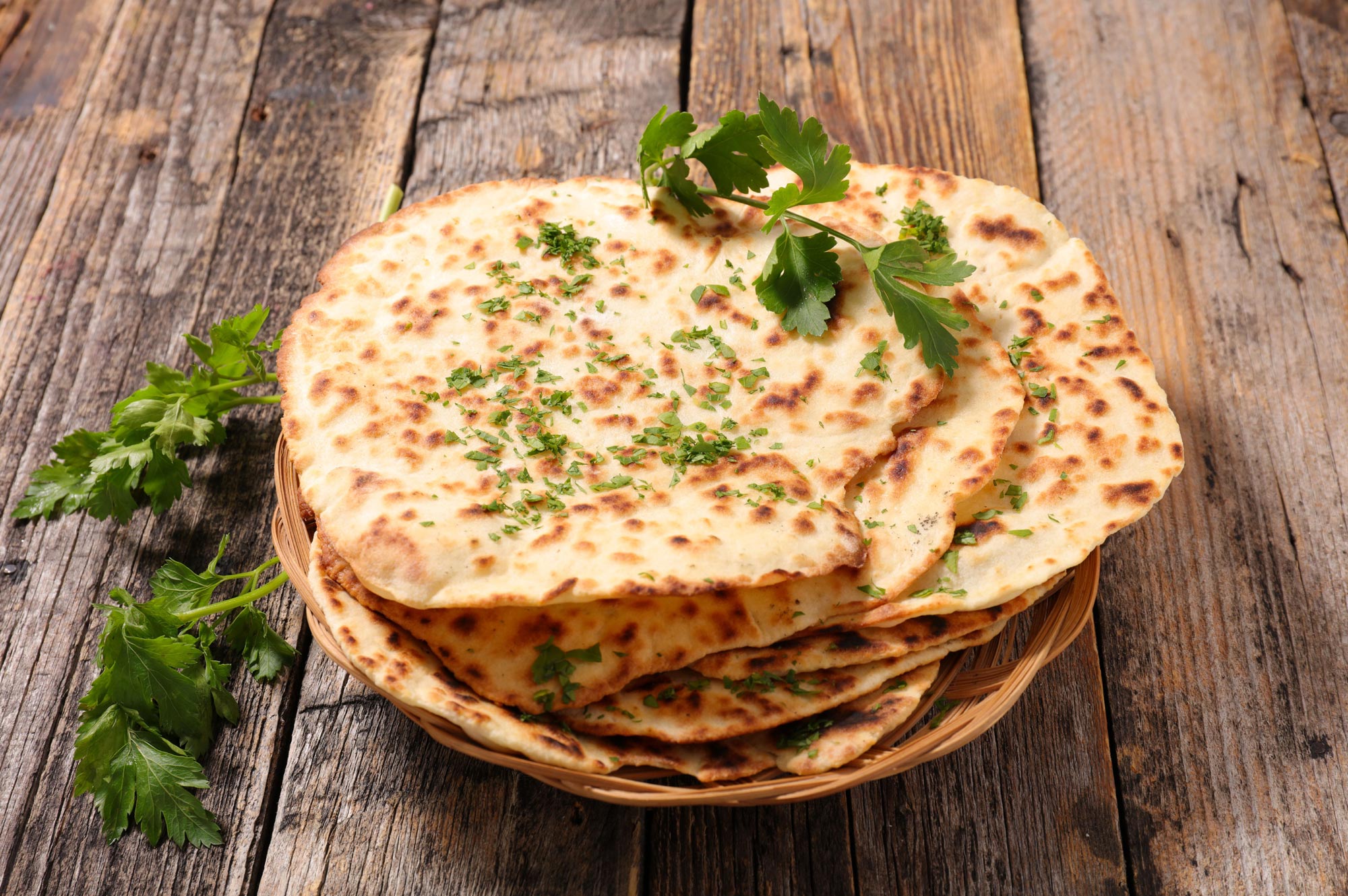
Perfect Naan at Home Soft Fluffy and Ready in Minutes
Master the art of homemade naan with this easy recipe guide. Learn professional techniques from Rajput Indian Cuisine to create restaurant-quality, soft and fluffy naan bread at home using simple ingredients. Perfect for pairing with your favorite Indian curries and dishes in just minutes. Nothing compares to the aroma of freshly baked naan wafting through your kitchen. This beloved Indian flatbread, with its characteristic soft texture and slightly charred spots, has captured hearts worldwide. While many believe authentic naan requires a traditional tandoor oven, you can achieve restaurant-quality results right in your home kitchen. Understanding Traditional Naan Bread Naan originated in the royal kitchens of the Mughal Empire and has been a staple of Indian cuisine for centuries. This leavened flatbread differs from other Indian breads like roti or chapati due to its use of yogurt and yeast, which creates its signature fluffy texture and tangy flavor profile. Key characteristics of perfect naan: Essential Ingredients for Homemade Naan The beauty of naan lies in its simplicity. You likely have most ingredients in your pantry already: Basic Naan Ingredients: The yogurt serves multiple purposes – it adds tenderness, creates the characteristic tang, and helps achieve that coveted soft texture. Greek yogurt works exceptionally well due to its thick consistency and lower water content. Step-by-Step Naan Making Process # Preparing the Dough Start by activating your yeast in warm water with sugar. This process, called proofing, ensures your naan will have the proper rise and texture. The mixture should become foamy within 5-10 minutes. Combine flour and salt in a large mixing bowl. Create a well in the center and add the activated yeast mixture, yogurt, and oil. Mix until a shaggy dough forms, then knead for 8-10 minutes until smooth and elastic. Pro Tips for Perfect Dough: # The Fermentation Magic Place your kneaded dough in an oiled bowl, cover with a damp cloth, and let it rise in a warm spot for 1-2 hours. This fermentation period develops the complex flavors and creates the gas bubbles that make naan light and airy. For faster results, place the bowl in a slightly warm oven (turned off) or near a sunny window. The dough should double in size during this time. Cooking Techniques for Restaurant-Quality Results # Stovetop Method Heat a cast-iron skillet or heavy-bottomed pan over medium-high heat. Roll each portion of dough into an oval shape, about ¼ inch thick. The irregular, hand-stretched shape is part of naan’s authentic charm. Cook each naan for 1-2 minutes until bubbles form on the surface, then flip and cook for another 1-2 minutes until golden spots appear. Brush with melted butter or ghee immediately after cooking. # Oven Method for Multiple Naans Preheat your oven to its highest setting (usually 500-550°F) with a pizza stone or inverted baking sheet inside. This mimics the intense heat of a tandoor oven. Stretch the dough and place it directly on the hot surface. Bake for 2-3 minutes until puffed and lightly charred. This method allows you to cook multiple naans simultaneously. Flavor Variations and Toppings Transform basic naan into gourmet creations with these popular variations: Storage and Reheating Tips Fresh naan tastes best immediately after cooking, but you can store leftovers effectively: Troubleshooting Common Naan Problems Dense or Heavy Naan: Usually indicates insufficient yeast activity or inadequate rising time. Ensure your yeast is fresh and active. Tough Texture: Over-kneading or using too much flour can create tough naan. The dough should remain slightly sticky. Lack of Flavor: Proper fermentation time is crucial for developing the characteristic tangy taste. Don’t rush the rising process. Pairing Your Homemade Naan Naan serves as the perfect vehicle for enjoying rich Indian curries, dal, and tandoori dishes. Its neutral flavor and sturdy texture make it ideal for scooping up sauces and gravies. Consider serving alongside: Master the Art of Indian Bread Making Creating perfect naan at home connects you to centuries of culinary tradition while filling your kitchen with incredible aromas. With practice, you’ll develop the intuitive feel for dough consistency and cooking timing that separates good naan from exceptional naan. The satisfaction of pulling warm, fluffy naan from your own oven rivals any restaurant experience. Start with this basic recipe, then experiment with flavors and techniques to make it uniquely yours.