Explore a carefully curated collection of diabetic-friendly Indian curry recipes that don’t compromise on authentic flavor. Rajput Indian Cuisine shares expert techniques for creating low-glycemic, blood sugar-conscious curries using fresh ingredients, smart spice combinations, and traditional cooking methods. Discover how to enjoy the rich tastes of Indian cuisine across Suffolk, Norfolk, and Chesapeake while maintaining healthy glucose levels and nutritional balance.
Living with diabetes doesn’t require abandoning the rich, complex flavors of Indian cuisine. In fact, many traditional Indian curry recipes naturally align with diabetic dietary requirements when prepared thoughtfully. Understanding which ingredients, spices, and cooking methods support blood sugar management allows you to enjoy authentic flavors while maintaining health.
Understanding Diabetes and Indian Cuisine
Diabetic-friendly cooking focuses on controlling carbohydrate intake, choosing low-glycemic ingredients, and incorporating foods that help regulate blood sugar. Traditional Indian cooking offers significant advantages—the extensive use of spices, vegetables, and lean proteins creates naturally balanced meals when prepared correctly.

Key principles for diabetic Indian cooking:
• Emphasize non-starchy vegetables
• Choose lean protein sources
• Control portion sizes of rice and bread
• Utilize beneficial spices with anti-inflammatory properties
• Minimize added sugars and refined carbohydrates
• Incorporate healthy fats in moderation
Beneficial Spices for Blood Sugar Management
Indian cuisine’s signature spice blends offer more than flavor—many possess properties that support blood sugar control. These diabetes-friendly spices have been studied for their potential metabolic benefits.
Turmeric contains curcumin, which research suggests may improve insulin sensitivity. Cinnamon has shown promise in helping regulate glucose metabolism. Fenugreek seeds contain soluble fiber that may slow carbohydrate absorption. Cumin and coriander support digestion while adding depth to curry bases.
Low-Glycemic Vegetable Curry Recipes
Vegetable curries form the foundation of diabetic-friendly Indian meals. These recipes maximize nutrition while minimizing glycemic impact.
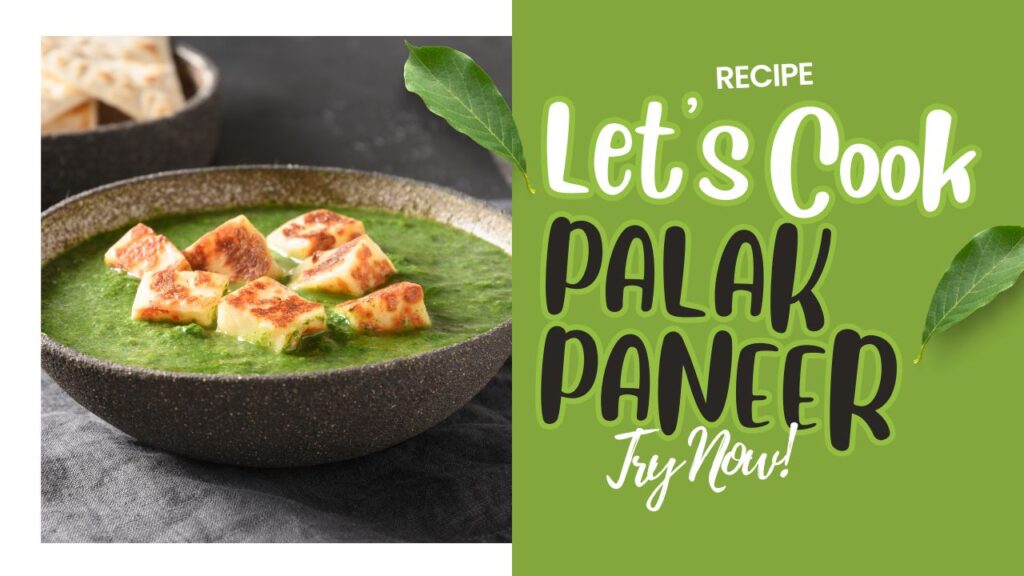
Palak Paneer (Spinach and Cottage Cheese Curry)
This classic low-carb Indian dish combines nutrient-dense spinach with protein-rich paneer. Spinach provides fiber, vitamins, and minerals with minimal carbohydrate content. Using fresh spinach rather than cream-heavy preparations keeps the dish light while maintaining authentic flavor.
Preparation highlights:
• Fresh spinach purée as the base
• Minimal oil usage
• Paneer provides sustained protein
• Aromatic spices without added sugar
Cauliflower and Green Bean Curry
Cauliflower serves as an excellent low-glycemic vegetable with a satisfying texture. Combined with green beans, this curry delivers fiber and nutrients while keeping carbohydrate counts manageable.
Baingan Bharta (Roasted Eggplant Curry)
Smoky roasted eggplant creates a rich, satisfying curry without heavy cream or excessive oil. This diabetic curry recipe showcases how traditional cooking methods produce deep flavors naturally.
Protein-Rich Curry Options
Lean protein curries help stabilize blood sugar by slowing digestion and providing sustained energy without glucose spikes.
Chicken Curry with Tomato Base
A tomato-based chicken curry avoids cream while delivering authentic flavor. Skinless chicken breast provides lean protein, while tomatoes contribute lycopene and vitamin C. The key lies in building flavor through spice layering rather than fat content.
Essential components:
• Skinless chicken breast or thigh
• Fresh tomato purée
• Ginger-garlic paste
• Whole spices (cardamom, cloves, cinnamon)
• Fresh cilantro garnish
Fish Curry (Coastal Style)
Fish offers omega-3 fatty acids alongside high-quality protein. A coconut-based fish curry using measured coconut milk portions provides healthy fats while maintaining portion control. Choose firm white fish or salmon for optimal nutritional benefits.
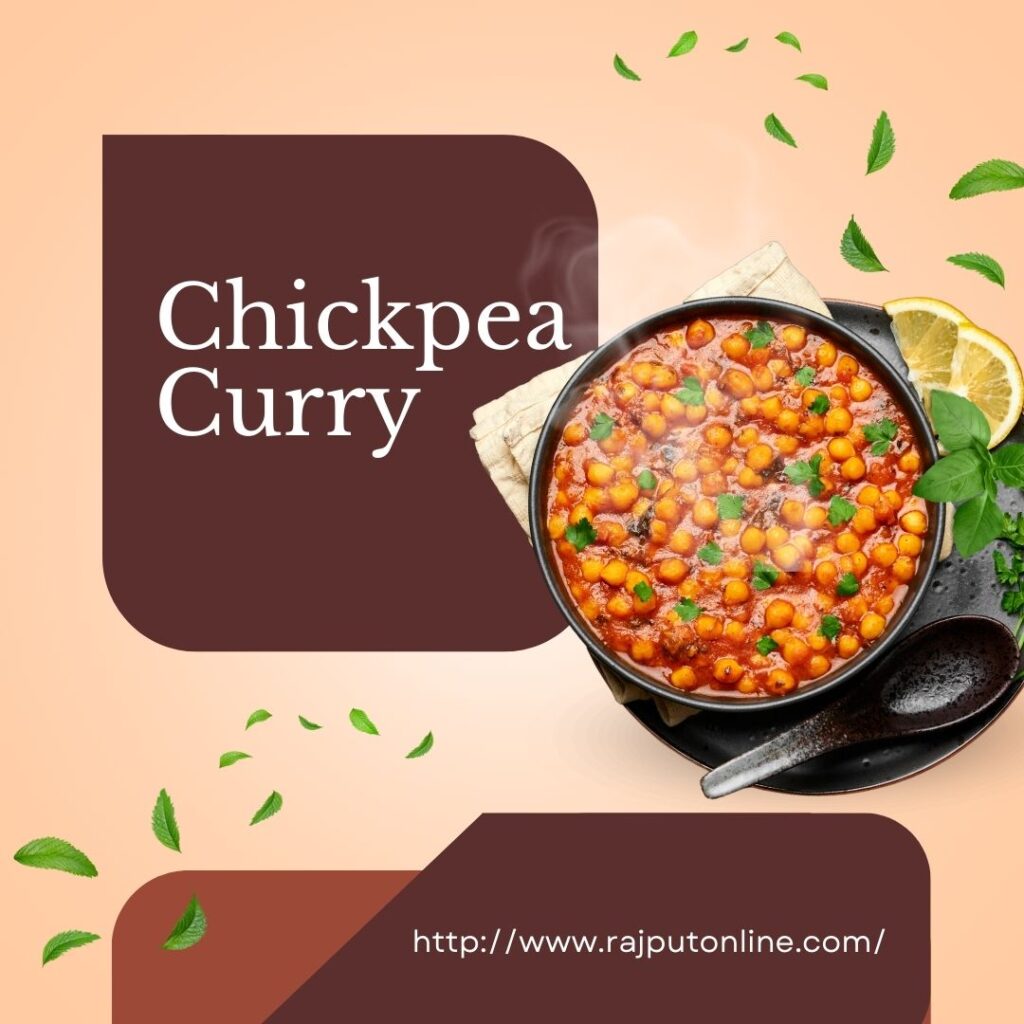
Chickpea Curry (Chana Masala)
While chickpeas contain carbohydrates, their high fiber and protein content creates a favorable glycemic response. A properly portioned chickpea curry delivers plant-based protein, iron, and sustained energy. The fiber content helps moderate blood sugar impact.
Smart Ingredient Substitutions
Creating healthy Indian curries often requires thoughtful substitutions that preserve flavor while improving nutritional profiles.
Instead of heavy cream: Use Greek yogurt, cashew cream, or measured coconut milk
Instead of white rice: Choose cauliflower rice, quinoa, or brown rice in controlled portions
Instead of potatoes: Substitute turnips, radishes, or additional cauliflower
Instead of sugar: Use minimal amounts of natural sweeteners or rely on caramelized onions
Instead of excessive oil: Use cooking spray or measured ghee for authentic flavor
Cooking Techniques That Support Health
Traditional Indian cooking methods naturally support diabetic dietary needs when applied correctly.
Dry roasting spices intensifies flavors without added fats. Pressure cooking preserves nutrients while reducing cooking time. Grilling or tandoor-style cooking for proteins minimizes oil usage. Slow simmering develops complex flavors without cream or excessive fat.
Portion Control and Meal Balance
Even diabetic-friendly recipes require appropriate portioning. A balanced Indian meal includes:
• 1 cup of curry (vegetable or protein-based)
• ½ cup of controlled carbohydrate (brown rice or small whole wheat roti)
• Side of cucumber raita or salad
• Plenty of water or unsweetened beverages
Practical Tips for Restaurant Dining
When enjoying Indian cuisine at restaurants like Rajput Indian Cuisine, making informed choices supports blood sugar management:
• Request preparation without added sugar
• Choose tandoori or grilled proteins
• Select tomato-based curries over cream-based
• Ask for extra vegetables
• Control bread and rice portions
• Enjoy dal (lentil) dishes for fiber and protein
The Science Behind Curry Spices
Research continues exploring how traditional Indian spices may benefit metabolic health. Turmeric’s anti-inflammatory properties, cinnamon’s potential insulin-sensitizing effects, and fenugreek’s fiber content all contribute to why properly prepared Indian curries can fit within diabetic meal plans.
Building Your Diabetic-Friendly Curry Repertoire
Mastering blood sugar-friendly Indian cooking requires understanding ingredient impacts, practicing portion awareness, and embracing the natural benefits of traditional spices and cooking methods. The vibrant flavors that define authentic Indian cuisine remain fully accessible through smart preparation choices.
Savor Authentic Flavors While Prioritizing Your Health
The intersection of diabetic-conscious eating and authentic Indian cuisine offers more possibilities than restrictions. By focusing on vegetable-forward curries, lean proteins, beneficial spices, and traditional cooking techniques, you can enjoy the rich culinary heritage of India while supporting your health goals. These recipes prove that managing diabetes and savoring exceptional flavor aren’t mutually exclusive—they’re perfectly compatible when approached with knowledge and intention.