Celebrate Indian New Year with authentic traditional recipes and time-honored customs that bring families together. Discover the rich culinary heritage of India through special festive dishes, sacred rituals, and regional variations that mark this auspicious occasion. From sweet delicacies to savory specialties, explore how different Indian communities welcome the new year with unique flavors and meaningful traditions that have been passed down through generations, creating memorable celebrations filled with joy, prosperity, and delicious food.
Celebrating Indian New Year: Traditional Recipes and Sacred Customs That Unite Families
India’s diverse cultural landscape celebrates multiple New Year festivals throughout the year, each bringing unique traditional Indian recipes and time-honored customs that strengthen family bonds and community connections. From the vibrant Diwali celebrations to the harvest festivals of Pongal and Baisakhi, these occasions showcase the incredible diversity of authentic Indian cuisine and the deep spiritual significance behind every dish.
Regional New Year Celebrations Across India
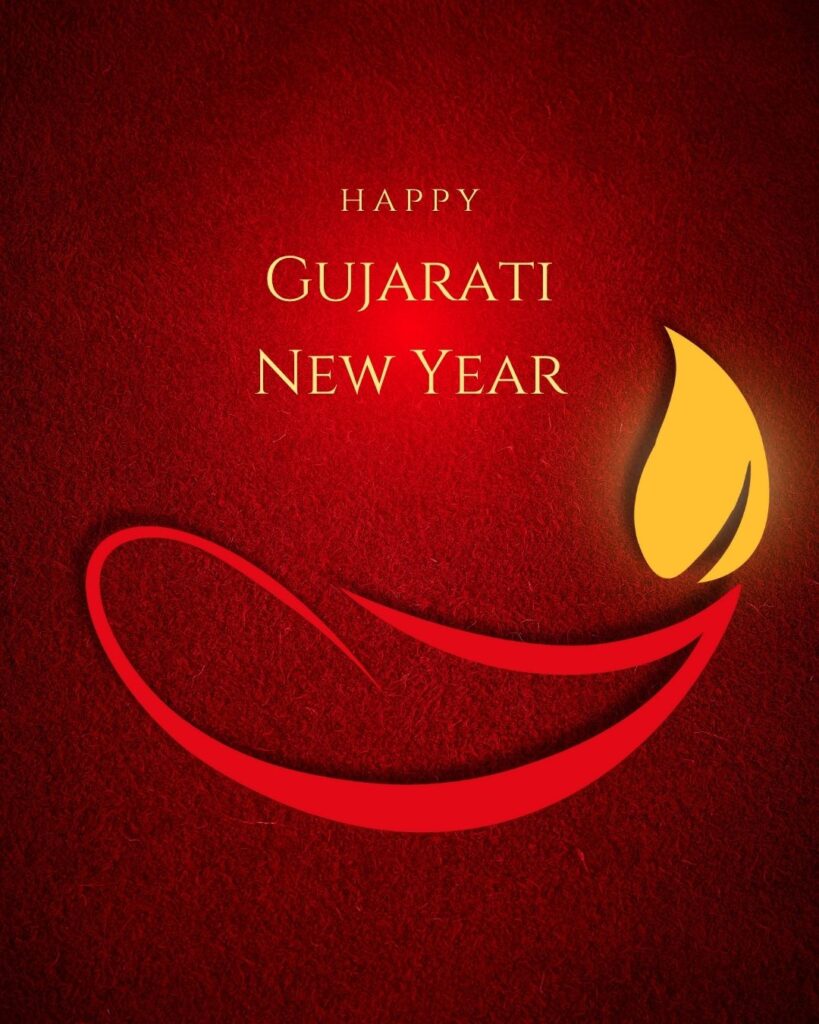
Gujarati New Year (Bestu Varas)
The Gujarati community celebrates their New Year with elaborate feasts featuring:
• Shrikhand – A creamy, saffron-infused yogurt dessert
• Puran Poli – Sweet flatbread stuffed with jaggery and lentils
• Dhokla – Steamed, spiced gram flour cakes
• Undhiyu – A mixed vegetable curry with winter produce
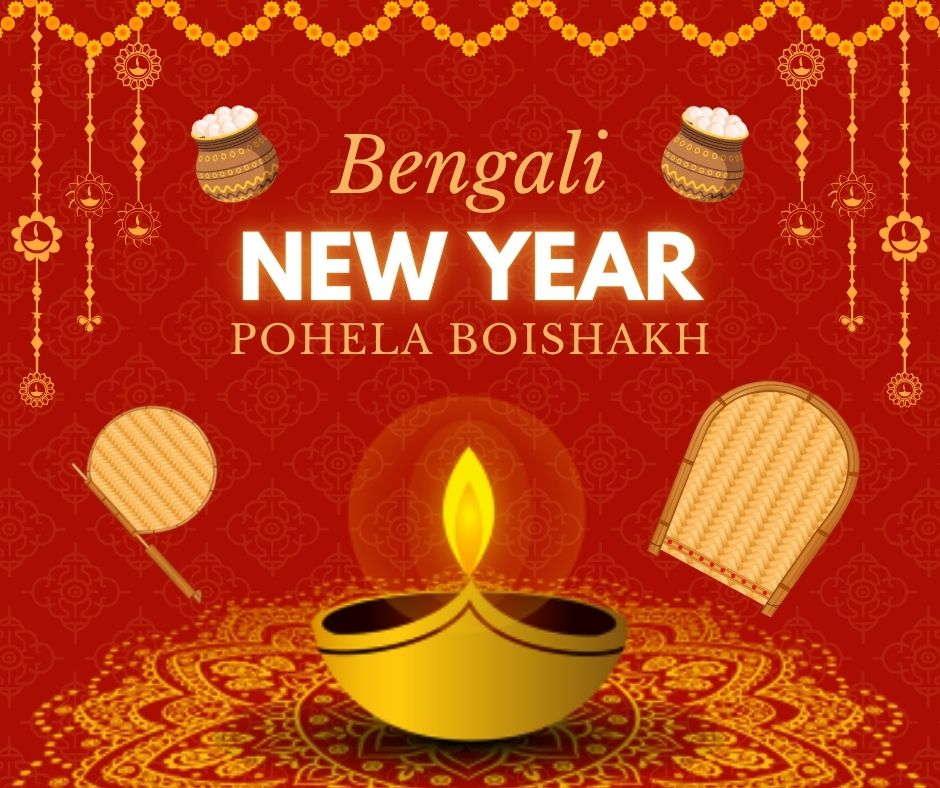
Bengali New Year (Poila Boishakh)
Bengali families welcome the New Year with traditional dishes that represent prosperity:
• Ilish Maach – Hilsa fish curry with mustard seeds
• Mishti Doi – Sweetened yogurt dessert
• Sandesh – Delicate cottage cheese sweets
• Panta Bhat – Fermented rice served with accompaniments
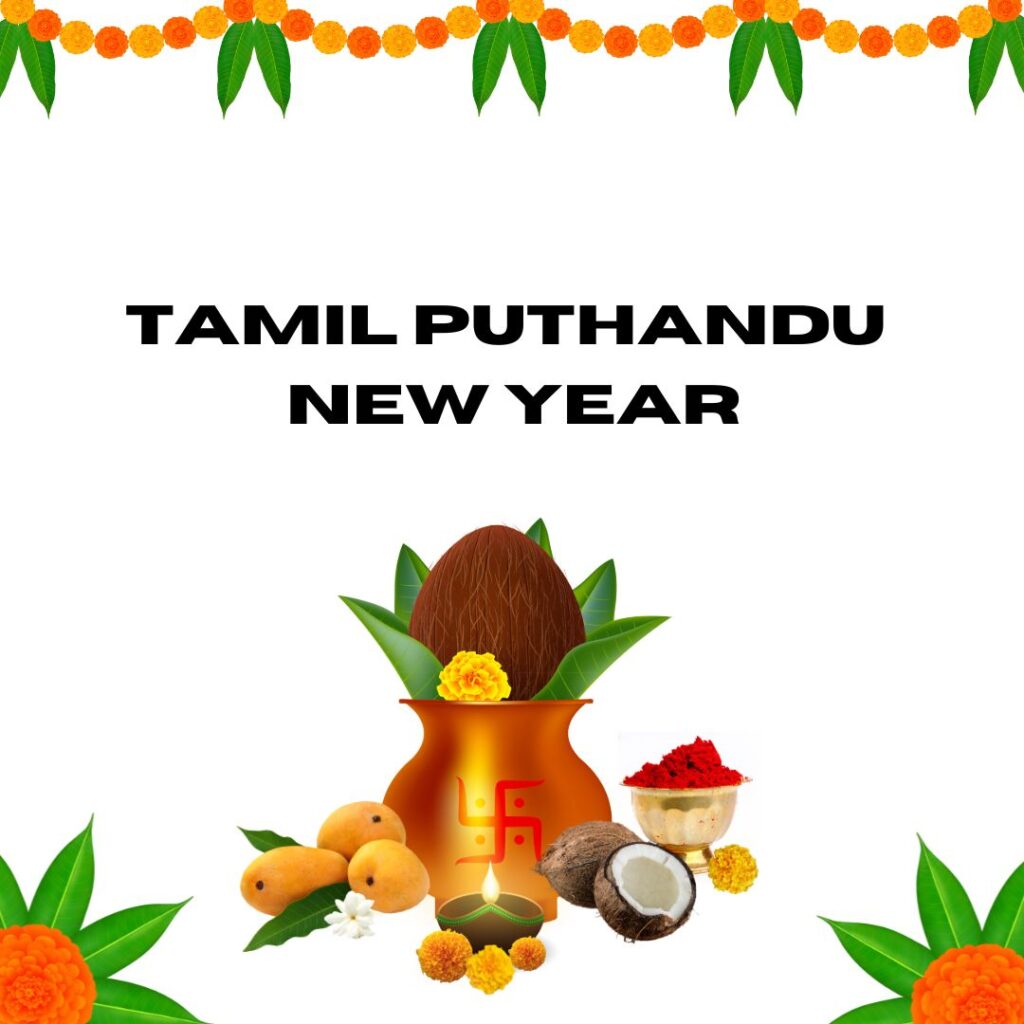
Tamil New Year (Puthandu)
Tamil celebrations center around festive Indian dishes that symbolize abundance:
• Mango Pachadi – Sweet and tangy mango chutney
• Coconut Rice – Fragrant rice with fresh coconut
• Payasam – Creamy rice pudding with cardamom
• Vadai – Crispy lentil fritters
Essential Traditional Indian Recipes for New Year Celebrations
Sacred Sweets and Their Significance
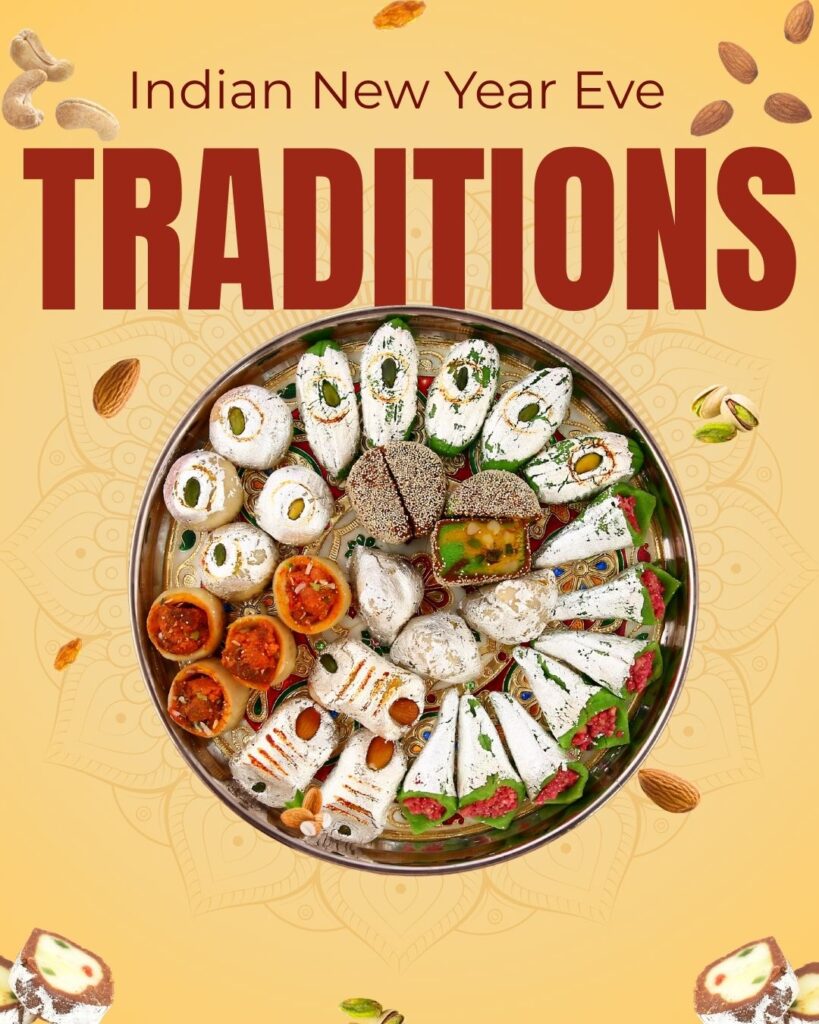
Traditional Indian sweets play a crucial role in New Year celebrations, representing sweetness and prosperity for the coming year:
Gulab Jamun – These golden, syrup-soaked dumplings symbolize joy and celebration. Made with milk solids and flavored with cardamom and rose water, they’re essential for any Indian festival cooking.
Rasgulla – Soft, spongy cheese balls in sugar syrup represent new beginnings and purity, making them perfect for Indian New Year traditions.
Kheer – This creamy rice pudding, enriched with nuts and saffron, signifies abundance and is prepared in homes across India during festive occasions.
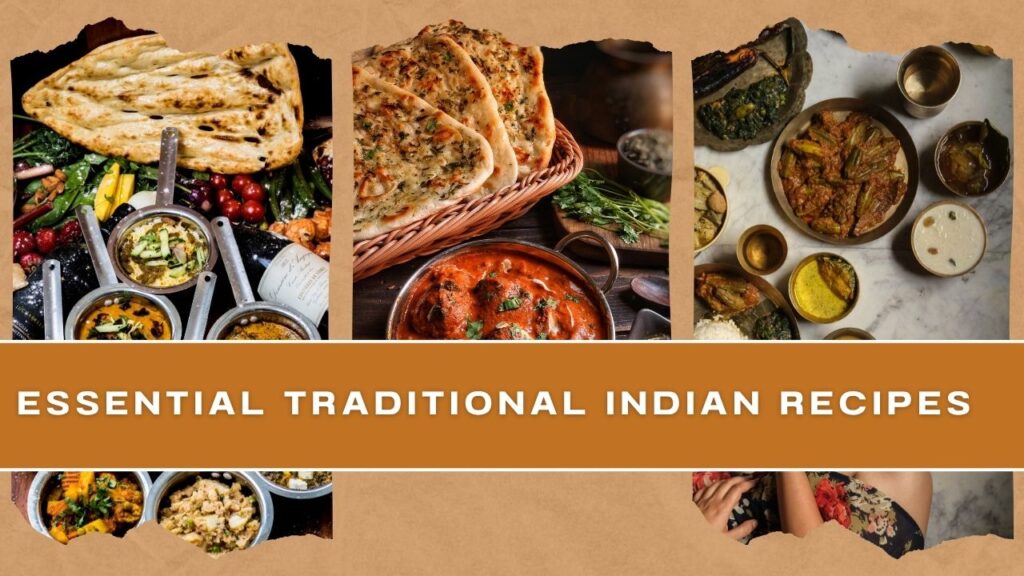
Savory Specialties for Festive Gatherings
Regional Indian celebrations feature distinctive savory dishes that bring families together:
• Samosas – Crispy triangular pastries filled with spiced potatoes
• Chole Bhature – Spiced chickpeas with fluffy fried bread
• Biryani – Aromatic rice layered with marinated meat or vegetables
• Dal Makhani – Rich, creamy black lentils slow-cooked with butter
Cultural Indian Recipes and Their Ritual Significance
The Art of Rangoli and Food Presentation
Indian New Year traditions extend beyond cooking to include artistic food presentation. Families create beautiful rangoli patterns using colored rice, lentils, and spices, symbolizing welcome and prosperity.
Sacred Ingredients and Their Meanings
Traditional recipes incorporate ingredients with spiritual significance:
• Turmeric – Represents purity and auspiciousness
• Saffron – Symbolizes prosperity and divine blessings
• Cardamom – Brings good fortune and positive energy
• Jaggery – Ensures sweetness in relationships and life
Modern Adaptations of Ancient Traditions
Contemporary Indian families blend traditional Indian festivals with modern lifestyles while preserving authentic flavors. Many restaurants like Rajput Indian Cuisine help families celebrate by offering authentic Indian cuisine that honors these time-tested recipes and cooking methods.
Health-Conscious Festival Cooking
Modern Indian festival cooking incorporates healthier preparation methods while maintaining traditional flavors:
• Using air-frying techniques for crispy snacks
• Reducing oil content in traditional recipes
• Incorporating organic and locally-sourced ingredients
• Offering vegan alternatives to dairy-based sweets
Planning Your Indian New Year Feast
Essential Preparation Timeline
Indian holiday food preparation requires careful planning:
• One week before: Shop for specialty ingredients and spices
• Three days before: Prepare sweets and store properly
• Day before: Marinate proteins and prep vegetables
• Day of celebration: Cook fresh items and assemble the feast
Balancing Flavors and Textures
Successful festive Indian dishes combine various elements:
• Sweet – Traditional desserts and fruit-based dishes
• Savory – Spiced curries and seasoned rice preparations
• Tangy – Chutneys and pickled accompaniments
• Crispy – Fried snacks and roasted nuts
Bringing Authentic Flavors to Your Celebration
Indian New Year recipes represent more than just food—they embody centuries of cultural wisdom, family traditions, and spiritual beliefs. Each dish tells a story of regional heritage and connects generations through shared culinary experiences.
Whether you’re preparing these dishes at home or enjoying them at authentic restaurants, the essence of traditional Indian recipes lies in their ability to bring people together, create lasting memories, and honor the rich cultural tapestry that makes Indian cuisine truly extraordinary.
Experience the Magic of Authentic Indian New Year Traditions
The beauty of Indian New Year traditions lies in their diversity and the way they unite communities through food, celebration, and shared cultural values. These time-honored recipes and customs continue to evolve while maintaining their essential character, ensuring that future generations can experience the joy and significance of these special occasions.
From the aromatic spices that fill the kitchen to the laughter shared around the dining table, Indian festival cooking creates an atmosphere of warmth, gratitude, and hope for the year ahead. These celebrations remind us that food is not just sustenance—it’s a bridge between past and present, a symbol of love, and a testament to the enduring power of tradition.